Additional information
| Weight | 4.500 lbs |
|---|---|
| Dimensions | 5 × 5 × 5 in |
Premium Parts
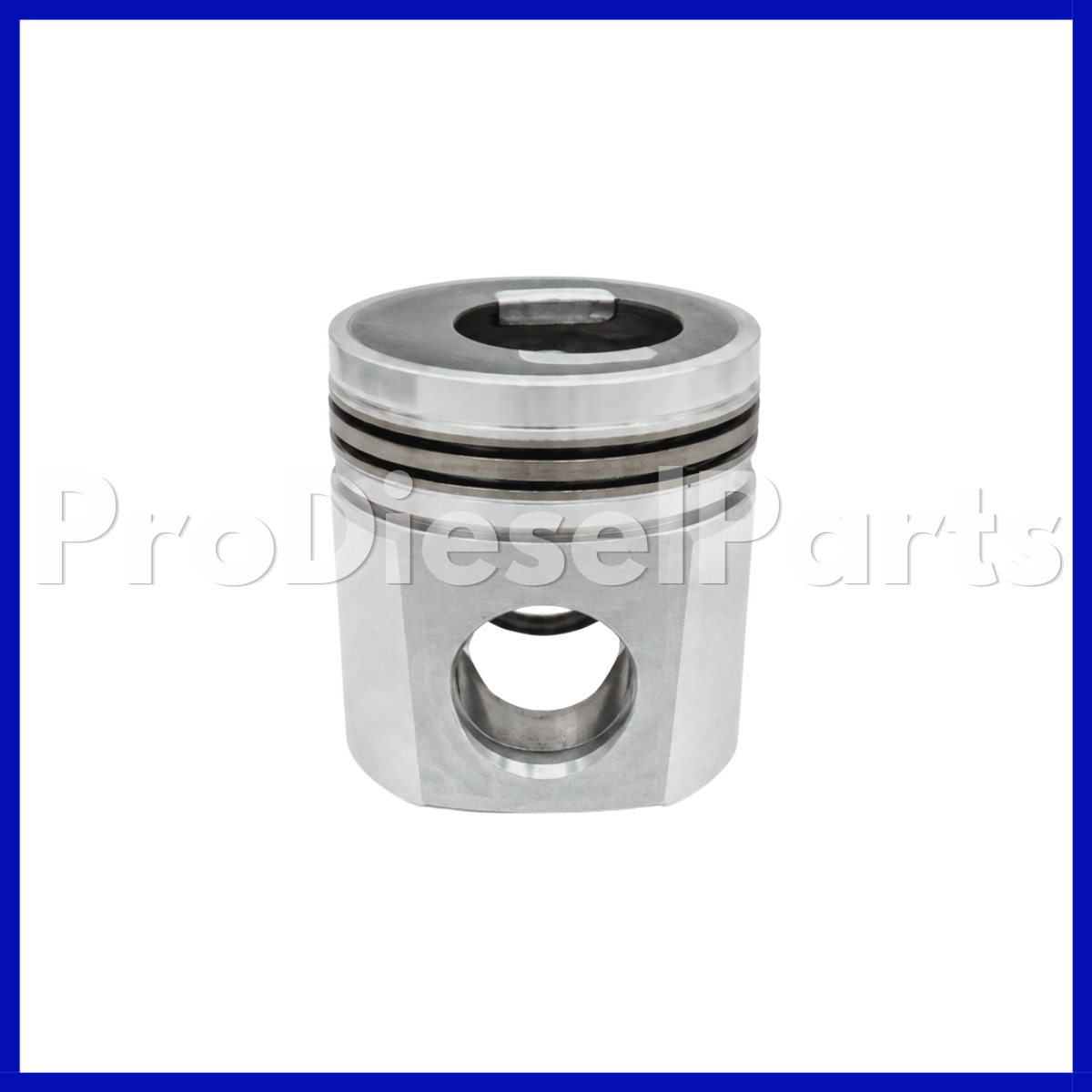
Piston Cummins Engine 6C Engine ISC Engine ISL Engine ISL9
$88.49
In Stock| Weight | 4.500 lbs |
|---|---|
| Dimensions | 5 × 5 × 5 in |
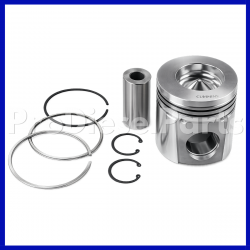
Piston w/Retainer & Rings – ST Cummins Engine 6C.83-Engine 6CT.83-Engine 6CTA.83
Engines with CPL numbers: 602, 603, 753, 819, 828, 955, 985, 1248, 1274, 1275, 1281, 1356, 1464, 1661, 1988, 2035, 2161, 2162, 2182, 2183, 2284, 2285, 2343, 2344, 2406, 2407, 2408, 2409, 2410, 2411, 2413, 2544, 2545, 2620.
Included :
• Piston
• Piston pin
• Piston pin retainer
• Piston ring set
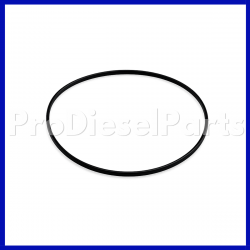
It is mounted in the lower section/seal area of the cylinder liner, between the liner and the engine block. It is part of the cylinder liner sealing system. Its main function is to seal the cylinder liner against the engine block, prevent coolant from flowing into unintended areas, prevent contamination between coolant and engine oil, and maintain proper sealing of the cylinder liner during the engine’s thermal cycles.
Verified compatible Cummins engines: 6C 8.3, 6CT 8.3, 6CTA 8.3, ISC 8.3, QSC 8.3, ISL 8.9/9, QSL 8.9/9.
I recommend verifying compatibility using the ESN (Engine Serial Number), CPL, QuickServe/Cummins Catalog, cylinder liner number, block number/casting number, engine year/configuration, and a dimensional comparison of the ring.
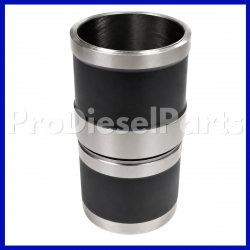
The cylinder liner forms the cylindrical surface along which the piston and piston rings slide. It maintains the correct geometry of the cylinder, transfers heat to the engine block, and allows the engine to be rebuilt without having to replace the entire engine block. It is specified as a flanged cylinder liner and is supplied without sealing rings.
Cummins 6C-Series engines are also used in power plants, including the ISC 8.3, QSC 8.3, ISL 8.9 / 9, and QSL 8.9 / 9 models.
ESN – Engine Serial Number, CPL, Cummins QuickServe/OEM catalog, complete engine model and CM, stamped/cast number on the old liner, dimensional comparison of inner diameter/flange/length, or confirmation from Cummins.